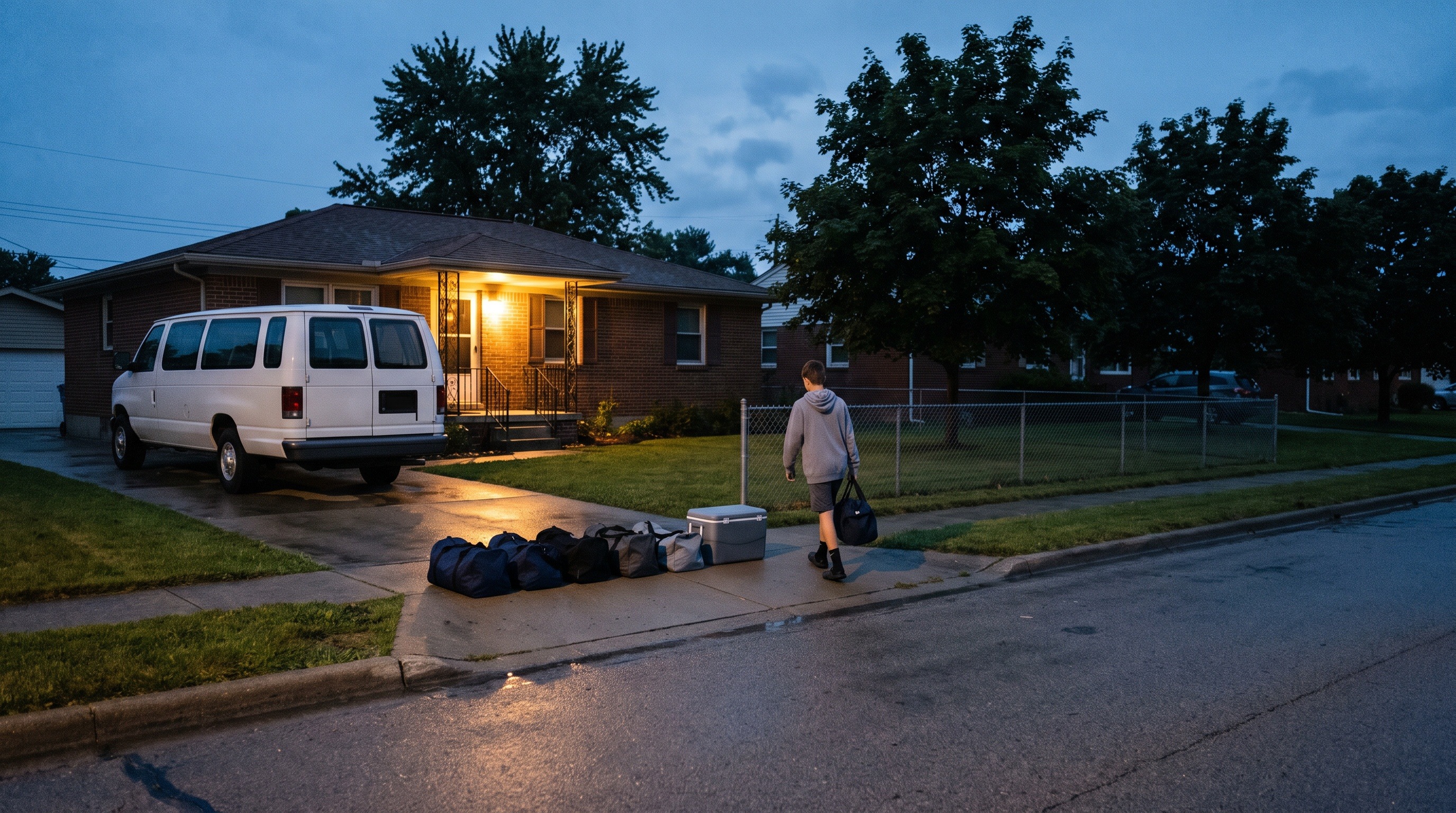
The call usually comes four weeks out. A coach, a team manager or an operations lead has eighteen athletes, a six-week camp, a facility address, and a hotel quote that made the budget wince. The question is always some version of the same one: can you put a whole team in houses instead?
Usually, yes. But the houses are the easy part. What decides whether the camp runs smoothly is five things most groups settle too late, and one that almost no one asks about until it has already gone wrong.
How many people should share one house?
The instinct is to pack beds. Cost per bed looks great on a spreadsheet, and the spreadsheet is what gets approved.
The better question is how many people can share a kitchen and one bathroom schedule before mornings stop working. A team on a fixed daily start has eighteen people who all need to be out the door at the same time. Bathroom count is the real constraint, not bedroom count. A four-bedroom house with one bathroom is a worse fit than a three-bedroom with two, and your athletes will tell you so by day three.
Our rule of thumb for a training group: no more than two people per bathroom, and never more than two to a bedroom unless you are housing a youth squad with chaperones who have agreed to it.
Should the houses be close together?
Closer than you think. Splitting a group across scattered houses creates a transport problem every single day of the camp, twice a day, and the person solving it is usually you.
Houses within a few minutes of each other, on the same side of town as the facility, are worth more than a better rate on a scattered set. If a provider offers you a cheaper house that is twenty minutes from the others, do the arithmetic on the van, the driver and the forty minutes of your morning before you say yes.
Tell a provider the facility address first, before you talk about anything else. Every other decision follows from the commute.
Who is cooking?
This is the decision that separates a working camp from a frustrating one, and it is the one groups most often leave vague.
There are really three options. Everyone cooks for themselves in their own house. A catering arrangement delivers to each house or to the facility. Or one house becomes the kitchen for the whole group, with a cook or a rota.
If it is the third, say so before anyone sends you a listing. That house needs a bigger kitchen, two refrigerators and seating for the group, which is not what a standard furnished home provides. We have moved a group's "kitchen house" once after the camp started because no one mentioned the plan, and it cost everyone a weekend.
Where does the laundry go?
A team in training generates more laundry than any other kind of guest we house. Training kit twice a day, towels, bedding for people who sweat through it.
In-unit washer and dryer in every house, not a shared building facility, and not one machine for twelve people. This is usually the first thing to break down in practice and the last thing anyone asks about in advance. Ask it now, and ask what happens when a machine fails mid-camp, because one will.
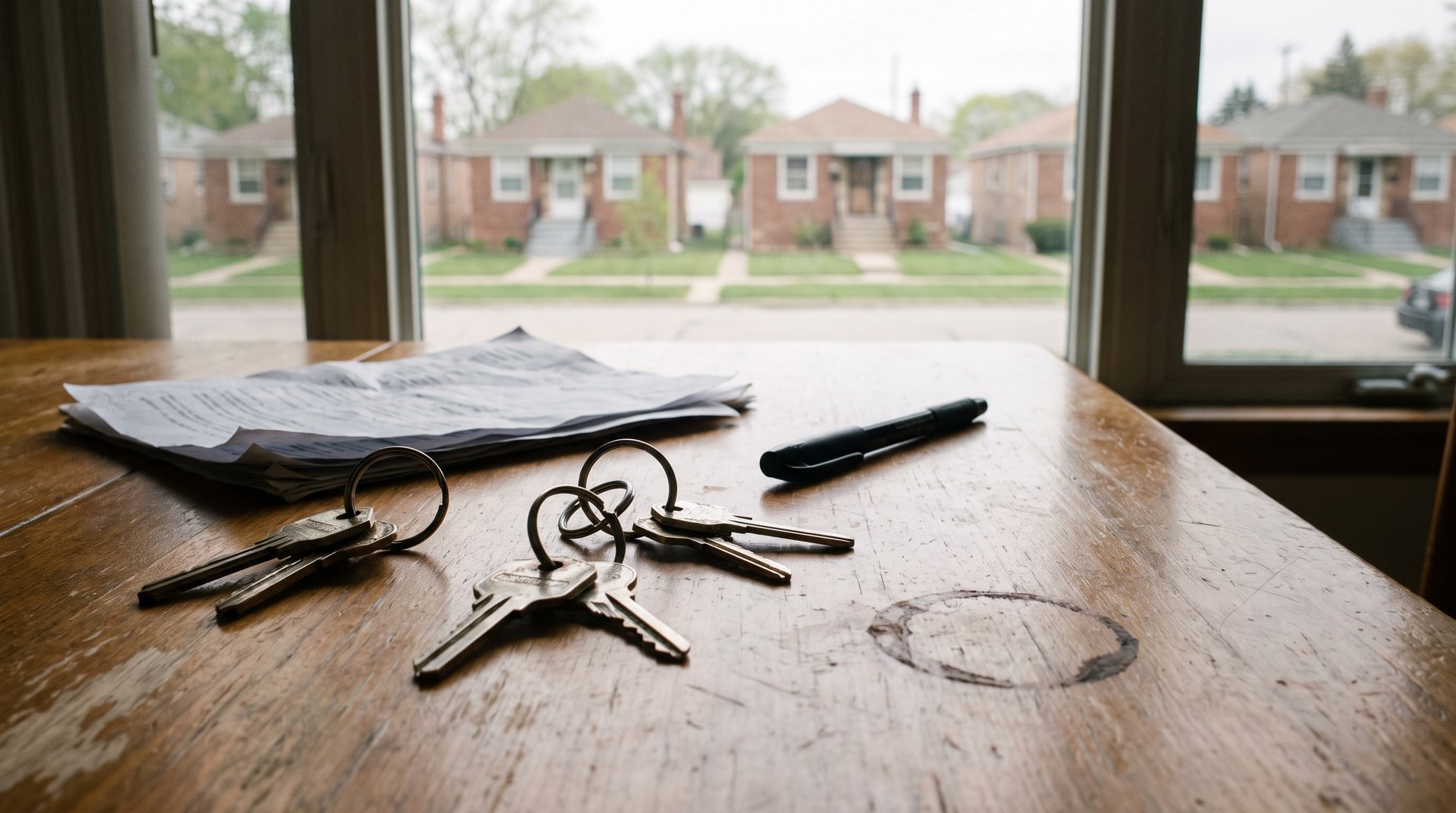
What goes in the agreement?
Settle these before anyone signs, and put them in writing even when the answer feels obvious:
- The exact dates, and what happens if the camp extends by a week. Can the houses hold, and at what rate?
- Who is named on the agreement: the organisation, or the individuals. This matters for the deposit, for damage, and for who gets the call at 2 a.m.
- How the deposit works for a group. One deposit per house, held against which house's damage?
- Whether guests and family are permitted, and when. Parents visit. Partners visit. Decide the rule before the first one arrives.
- Quiet hours and what the neighbours have been told.
That last one is not a formality. A group of young adults in a residential street is noticed. A placement that upsets a neighbourhood becomes a problem for the provider, for you, and for the next team that wants to use those houses. We have had one neighbour complaint end a placement early, with a deposit dispute that took longer to settle than the camp lasted, and the whole thing came from a rule about parking that no one had said out loud. Setting expectations on day one prevents nearly all of it. Not all. Nearly all.
What a hotel block never tells you
If you are comparing a house setup against a hotel block, read the hotel quote for what it leaves out: parking per vehicle, the breakfast your athletes will not eat at 6 a.m., the laundry service priced per bag, and the meeting room you will need for film sessions. Our post on the costs hiding in a housing bill walks through the same exercise for corporate stays, and the list is nearly identical for a team.
Then compare the two on the full six weeks, not on the nightly rate. The house setup usually wins on money. It always wins on having somewhere to be together that is not a lobby.
How we work with groups
Roadmap Lodging places teams, crews and project groups in furnished homes for stays of 30 nights and longer. The first conversation with a group is always the honest one: how many of you we can house in your market, how close together the houses sit, and whether that covers the whole squad. If it does not, we will say so, and help you find the rest, rather than splitting your group across town and calling it solved.
If you have a camp coming up, send us the facility address, the dates and the head count, and we will tell you within a day what we can do. Call 1-855-552-9155 or request housing through the site, and ask us the laundry question first.
Read next
The Housing Request That Gets Answered in an Hour
Three fields get a furnished operator to answer fast, and two common ones slow every vendor down.
Related Housing Solutions