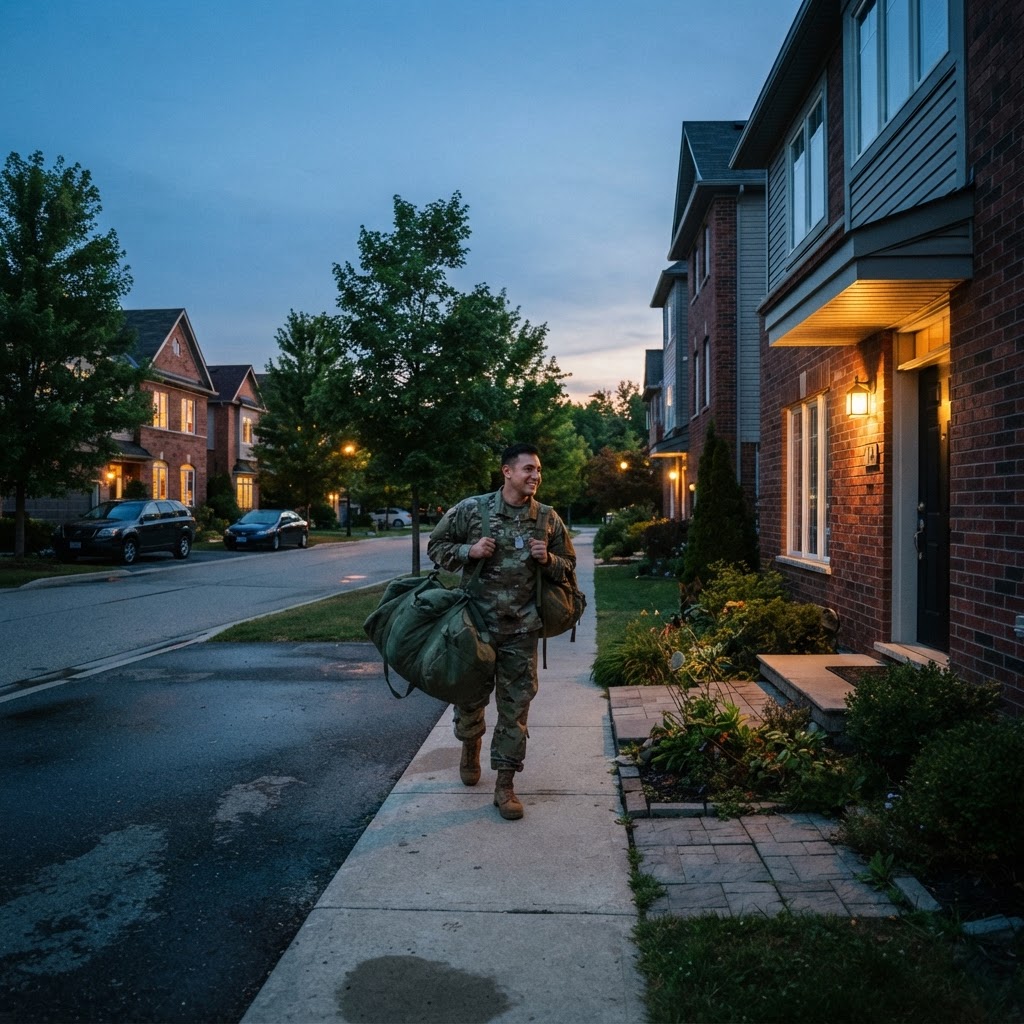
The housing decision on a 13-week contract is worth more attention than most travel nurses give it, because it is really two decisions: whether to take the agency's placement or the stipend, and then what you do with the stipend if you take it. Get the first one right and you control the second. Take the first room you see and you have decided both by default.
The $10,000 Choice: Stipend or Agency?
When you start a 13-week job, you have two choices. You can let your agency find a place for you, or you can take a housing stipend. A stipend is a set amount of money the hospital gives you to pay for your own rent. A guide from the Travel Nurse Blog updated in January 2026 says you could save between $3,000 and $10,000 by using a stipend instead of agency housing. This is because agencies often pick expensive apartments to be safe. If you find your own home, you keep the extra money.
According to the U.S. Bureau of Labor Statistics in a report from July 2026, pay for workers went up by 3.4 percent over the last year. This means you have more money to work with, but you still want to spend it wisely. Finding your own healthcare housing is the best way to stay in control of your budget.
Why 2026 is Your Year to Negotiate
One thing worth knowing before you negotiate: there is a lot of empty furnished inventory right now. Market operators at the Midterm Rental Summit in June 2026 noted that owners are struggling to fill homes this year. A clinician on a contracted assignment with steady income is close to the ideal tenant for a mid-term landlord, and that is worth something at the table. It is reasonable to ask about rent, about what furniture comes with the place, and about what happens if your dates move.
The Four Pillars of a Great Stay
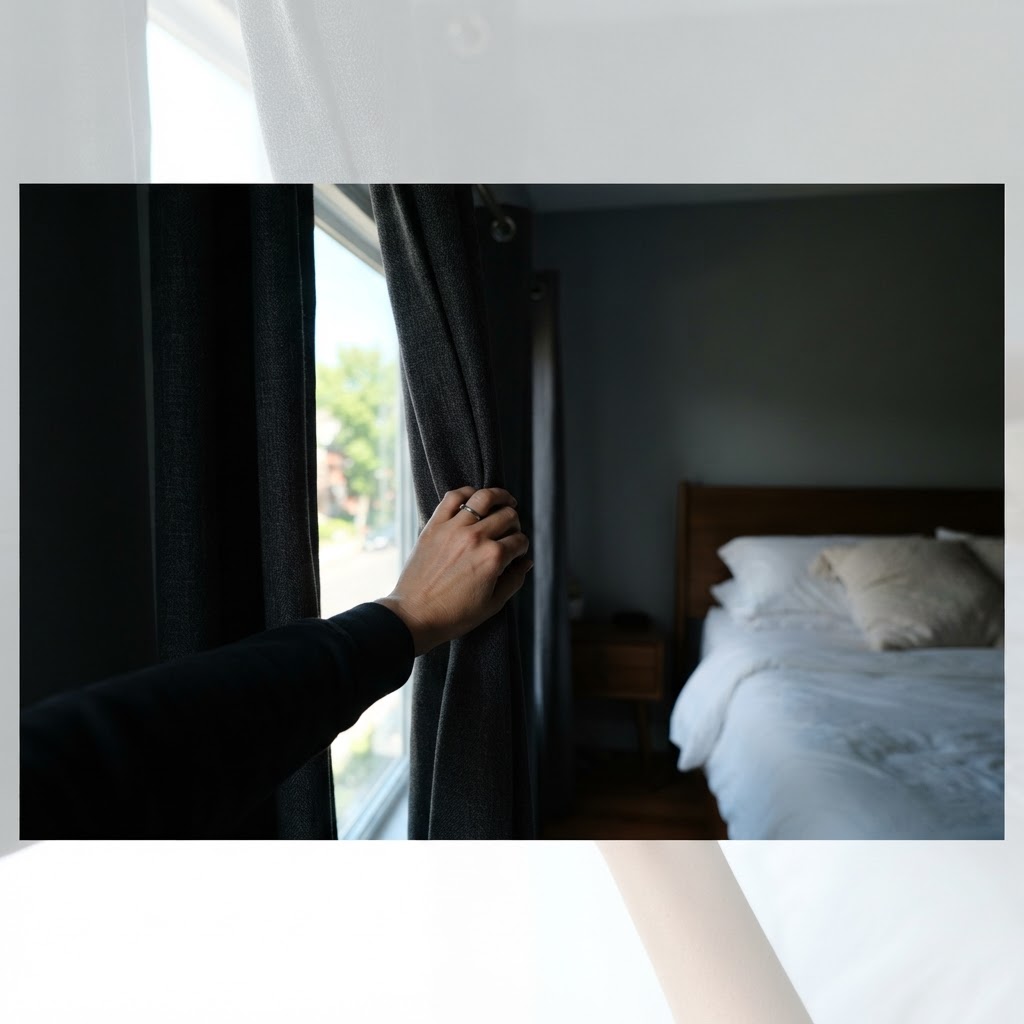
What makes a house good for a nurse? It is not just about a pretty couch. You need to look for these four things before you sign a lease:
- Blackout curtains: You cannot sleep after a night shift if the sun is in your eyes.
- A real kitchen: Eating out for 13 weeks is expensive and unhealthy.
- Fast Wi-Fi: You need to talk to family or finish your charts without the internet cutting out.
- A short drive: After a 12-hour shift, you do not want to sit in traffic for an hour.
The Rentometer Mid-Year Report 2026 puts real numbers on how far apart markets sit: typical asking rent in Johnstown, Pennsylvania came in under $1,000 a month, nearly 89 percent below West Hollywood, California at around $8,200. Those are the two ends of the country, not the range you will personally choose between, but the point holds at smaller scale too. A house in a smaller town costs much less than a tiny room in a big city like Charlotte or Austin. Check local prices before you agree to anything.
The Mistake Most Nurses Make
Most people think they should only look at big apartment buildings. But here is what most people miss: single-family homes and duplexes are often better. They are usually quieter than big buildings. You won't have people stomping on the floor above you while you try to sleep during the day. Plus, many of these homes have yards if you are traveling with a pet.
Are you worried about the paperwork? Don't be. Most landlords who work with nurses use simple 13-week leases. They know how your job works. They just want to know you will take care of the place.

What Happens When Your Contract Extends
This is the part that catches most people out, and it is worth more attention than the furniture.
Hospital contracts extend. It happens constantly, and it is the single most common reason a housing arrangement falls apart mid-assignment. A 13-week lease that ends four weeks before your assignment does leaves you moving house while working full time in a clinical role.
Before you sign, ask two questions and get both answers in writing:
What happens if my assignment extends by four to six weeks? A host who works with travel clinicians regularly will have a ready answer, because keeping a known guest is easier than remarketing the place. If the answer is vague, treat that as information.
What is the notice period if my contract is cancelled? Contracts do get cut. The difference between losing a deposit and owing the remaining term is worth knowing before you need to know it.
Booking a Place You Have Not Seen
Most travel nurses book sight-unseen, and that is normal. Three things make it safe:
- Ask for a video walkthrough recorded on the day, not the listing photos. Photos can be years old. A host who will not record two minutes on a phone is telling you something.
- Confirm the exact address before you pay anything. A cross street is not an address.
- Pay through a channel that leaves a record. Never wire a deposit to someone who will not do a live video call first.
Two costs also tend to appear after the fact rather than in the listing: parking, which can carry a real monthly charge downtown, and utilities, if they are not stated as included with a cap. A slightly higher all-in number is often cheaper than a low headline rate with three additions.
One more thing worth checking that rarely appears in listings: somewhere to actually sit and work. If you chart from home, a dining chair at a kitchen table stops being acceptable around week three.
Ready to find your next home? We can help you find the perfect spot near your hospital so you can focus on your patients, not your floor plan.
Get started today: Fill out our Housing Request Form or call us at 1-855-552-9155 to find your 13-week home.
Sources & References
- Rentometer Mid-Year Report 2026: National Trends in Single-Family Rental Markets (Rentometer, Jul 2026)
- Furnished Finder vs. Blueground: Best Housing for Travel Nurses in 2026 (Travel Nurse Blog, Jan 2026)